Forget big-budget titles—sometimes indie horror games deliver the most unforgettable experiences. Poppy Playtime, developed by MOB Games, may look like a game about colorful toys at first glance, but it hides a darker truth. This episodic horror-puzzle adventure, set inside an abandoned toy factory, blends immersive storytelling with clever gameplay mechanics. Since its debut in 2021, it has attracted gamers, streamers, and content creators worldwide.
Before this release, MOB Games was relatively unknown. But with Poppy Playtime, they quickly rose to fame. The game draws inspiration from classics like Five Nights at Freddy’s and Bendy and the Ink Machine, yet finds its own identity by focusing on atmospheric horror and puzzle-solving instead of cheap jump scares.
Poppy Playtime is released in chapters, each adding new layers of lore and gameplay.
This episodic style keeps fans engaged while fueling fan theories and community discussions.
At the heart of Poppy Playtime is the GrabPack—a unique gadget with extendable hands. It allows players to:
This mechanic turns the game into a mix of horror and physics-based puzzle solving, offering a fresh twist compared to other horror titles.
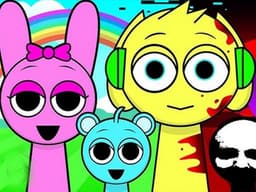
The visual design balances childlike joy and eerie dread. The toy factory is filled with bright, colorful characters, yet surrounded by broken, dim environments. Think of it as Pixar meets Silent Hill—unsettling without relying on gore.
These characters aren’t just monsters; they’ve become across YouTube, TikTok, and fan art.
The game hides clues in VHS tapes, posters, and audio logs. Fans love piecing together theories:
This depth keeps the community buzzing long after finishing each chapter.
Streamers, YouTubers, and TikTok creators boosted Poppy Playtime’s popularity. MOB Games embraced this with content teasers, merchandise, and hidden secrets. It’s not just a game—it’s a fan-driven phenomenon.
The switch from free to paid chapters caused debate, and early NFT attempts drew criticism. However, the core fanbase remains loyal, as long as new updates bring value.
With more chapters coming, plus talk of animated content or even a movie, Poppy Playtime could grow into the next FNaF-level franchise.
⭐ Rating: 8.5/10 Poppy Playtime is a smart, scary, and stylish indie horror that proves small studios can deliver big experiences. Whether you’re in it for the puzzles, atmosphere, or lore, it’s worth playing.
Pros:
Cons:
Q: Is Poppy Playtime free? A: Chapter 1 was free at launch, but newer chapters require purchase.
Q: Is it suitable for kids? A: While it doesn’t contain gore, it is a horror game with tense scenes—best for teens and above.
Q: Can I play it on mobile? A: Yes, mobile versions exist, though the PC edition offers the best experience.
All trademarks belong to their respective owners.
In a world dominated by massive gaming franchises, Poppy Playtime stands out as a unique and spine-chilling indie horror experience.
Stay updated with the latest games and gaming news!
© 2025 GamingFun. All rights reserved.